

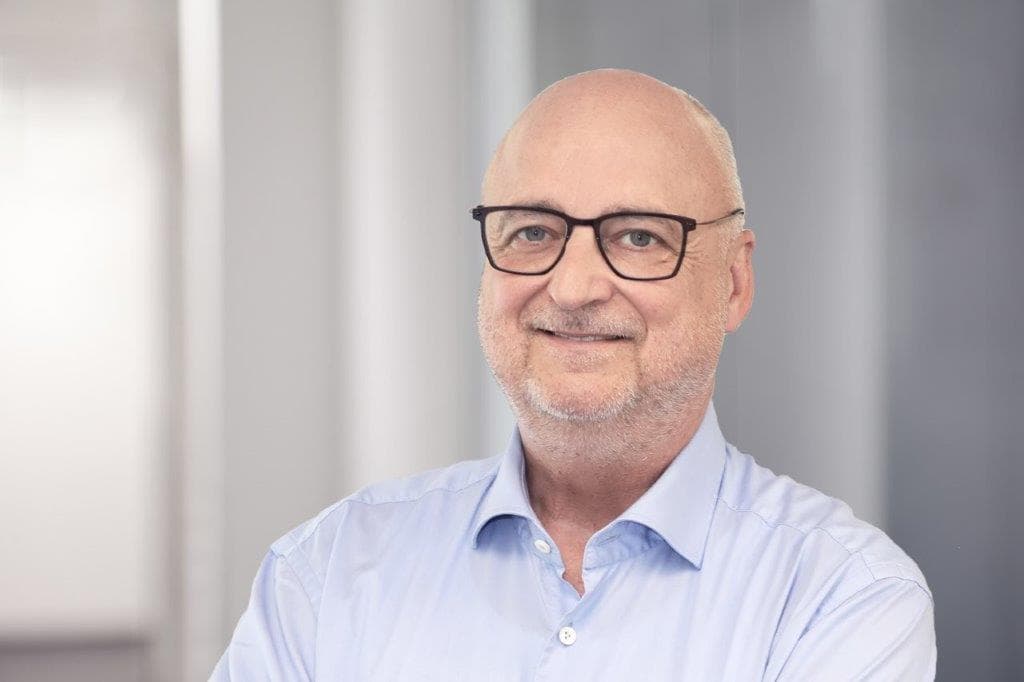
We are delighted to welcome Prof. Dr. Andreas Pfützner as the consulting head of our new diabetes department. Professor Pfützner is a leading expert in diabetes research and treatment. In his private practice and the affiliated research institute in Mainz, he has been developing innovative, individualized treatment concepts for people with type 1 and type 2 diabetes for more than 30 years. His methods – including ReNew therapy, ReStore therapy and RePair therapy – are based on extensive clinical studies and combine the latest scientific findings with practical, patient-centered treatment approaches.
With his expertise, we want to meet the growing challenges in the field of diabetes in an even more targeted way and offer our patients holistic care.
The latest treatment approaches:
1. ReNew therapy – metabolic regeneration and diabetes prevention ♻️🍏
ReNew therapy focuses on regenerating the insulin-producing cells and optimizing the metabolism, especially in people with type 2 diabetes or prediabetes. It is based on the finding that the metabolism can be improved through targeted, personalized measures before irreversible damage occurs.
Key aspects of ReNew therapy:
- Early detection of metabolic disorders through modern diagnostics of the underlying disturbances of diabetes
- Individually adapted nutrition strategies to improve insulin sensitivity
- Use of micronutrients and bioactive substances for cell regeneration
- Promotion of physical activity to optimize glucose utilization
- Possible integration of modern medication and innovative treatment approaches for personalized diabetes therapy This therapy is particularly relevant for people with an increased risk of diabetes, overweight or metabolic syndrome.
2. ReStore therapy – efficient treatment of late complications (kidneys, eyes, nerves) in long-standing diabetes 🛠️👁️
ReStore therapy is aimed specifically at patients with manifest type 1 and type 2 diabetes who already suffer from nephropathy (kidney damage), neuropathy (nerve damage), eye damage (retinopathy) – or another disorder of the smallest blood vessels (microcirculation). It aims to improve these disorders and the quality of life of those affected.
Focus areas of ReStore therapy:
- Pulsatile insulin therapy (PIT): an initial attempt to improve the blood flow to the affected organs with an infusion therapy that mimics the physiological insulin release of a healthy person
- Increasing the sensitivity of the insulin receptors in the smallest blood vessels – to improve the blood flow to the affected tissue
- Metabolic optimization: better diabetes control by treating insulin resistance This treatment approach can halt the progression of late complications or even improve them. With regular use, RESTORE can, for example, avoid the need for dialysis.
3. RePair therapy – regeneration and protection against late effects of diabetes ❤️🔧
RePair therapy was developed to treat existing damage to the large or small blood vessels caused by diabetes or its accompanying diseases. It focuses on restoring vascular health, removing vascular calcification and preventing further complications.
Core elements of RePair therapy:
- Vascular protection and regeneration: special therapeutic measures to improve blood flow, clear narrowings in the vessels and protect endothelial function
- Cardiovascular prevention: specific strategies to reduce high blood pressure, cholesterol and inflammation
- Modern medication: use of new, innovative drugs with cardioprotective and nephroprotective effects This approach is especially important for patients with long-standing diabetes, to preserve their health and minimize secondary diseases.